

ADI urges forecourts to boost sales with digital signs
Tue, 24th Mar 2026
ADI is urging UK forecourt operators to adopt digital signage across their sites, arguing the shift could lift footfall and retail takings as forecourts expand beyond fuel sales.
Its case rests on changing driver behaviour. Forecourts are increasingly serving as convenience retail locations, food-to-go stops, parcel collection points, and EV charging hubs, creating more time and opportunities to influence purchasing decisions.
ADI points to a market of more than 8,000 forecourt sites across the UK, with non-fuel shop sales already worth billions. Against that backdrop, it argues, on-site communication has become more important as operators try to steer customers towards higher-margin purchases inside the shop and elsewhere on site.
Mark Burke, Client Engagement Manager at ADI, said the sector has moved well beyond its traditional purpose. "Forecourts today are no longer simply places to refuel. They are increasingly dynamic retail destinations where drivers stop for coffee, food, parcels or EV charging. Digital LED allows operators to communicate with customers in real time and influence purchasing decisions in a way that traditional signage simply can't."
Retail Focus
ADI is making its case at a time when many forecourts are seeking growth beyond fuel. Food-to-go, convenience ranges, and services linked to longer dwell times have become more prominent, particularly as electric vehicle charging changes how long some drivers spend on-site.
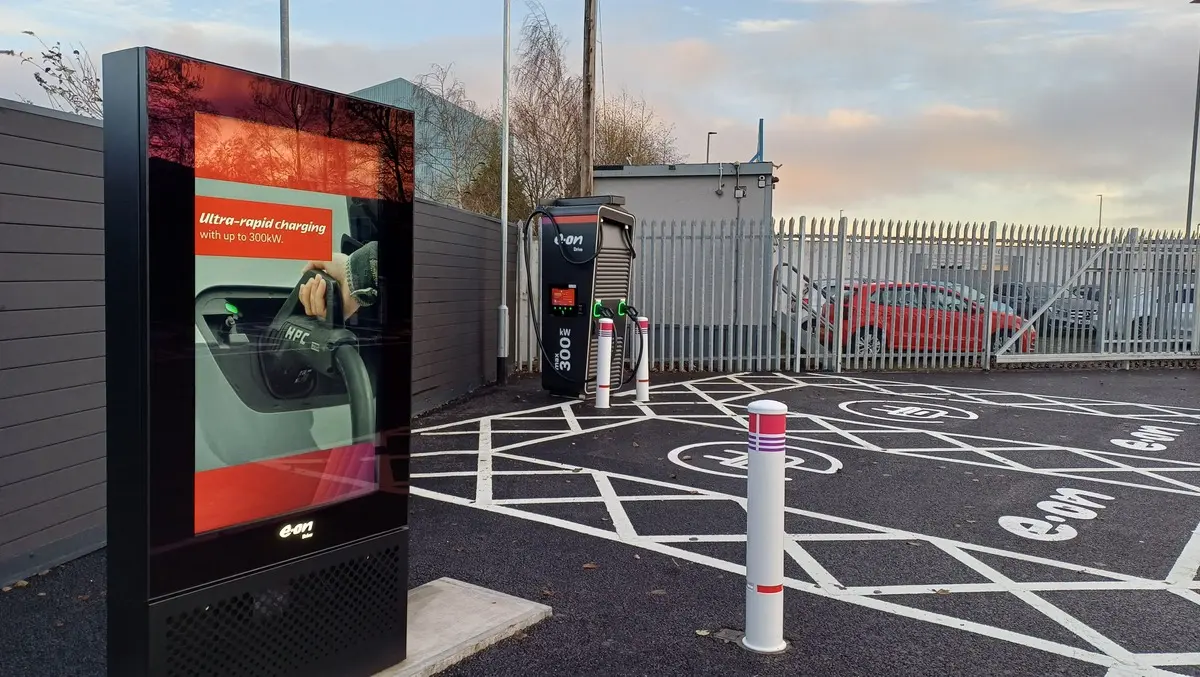
Digital screens can be used from the roadside to the till area, including price totems visible to passing traffic, displays on pumps and EV chargers, wayfinding screens outdoors and smaller digital formats inside shops.
Roadside digital displays can present fuel prices, charging information and promotional messages in real time. On the forecourt, screens at pumps and charging points can advertise coffee offers, meal deals and loyalty schemes while customers wait.
ADI also cites research suggesting digital displays attract attention more effectively than static signs. Studies indicate that two-thirds of people say digital displays capture their attention, while digital window displays can increase footfall by up to 40%.
Inside stores, ribbon displays and kiosks can help with pricing, promotions and customer flow. ADI also points to research showing that queue-area screens can reduce perceived waiting times by up to 35%, while promoted items can see sales increases of up to a third.
Changing Market
Burke said roadside visibility remains central to the commercial case for forecourt operators. "Digital signage could be the difference between a driver passing by or turning into your forecourt. That roadside presence is crucial. Once customers are on-site, digital screens help maximise revenue by highlighting promotions, guiding the customer journey and ultimately increasing their spend per visit."
ADI also links the case for digital displays to regulatory and industry change. Burke said operators are adapting not only to changing customer behaviour linked to EV charging, but also to new fuel price transparency rules.
The company says it offers what it calls a full digital signage system, spanning both large LED installations and smaller displays. Clients can manage content through ADI's content management system, allowing site operators to change prices, update offers, and tailor messages to different parts of a site.
A partnership with display manufacturer Kuori forms part of that offer. ADI says the arrangement allows it to combine large-format LED screens with smaller digital signage products into a single package for forecourt operators.
Ethan Grice, Sales Manager at Kuori, described the partnership in broader commercial terms. "Together, we're able to offer a truly integrated digital signage proposition, combining ADI's technical excellence with Kuori's innovative display assets to help operators unlock greater value from their sites. We're excited to be on the stand together, engaging with the market and demonstrating how this partnership can support the next generation of forecourt retail."
Burke said the addition of other screen formats broadens what can be installed across a site. "Being an LED manufacturer means we truly understand the technology behind large-format LED displays and signage. Our partnership with Kuori allows us to complement that with other types of digital assets such as totem screens, creating a consistent and effective signage strategy across the entire site."
Service Model
Beyond the hardware, ADI says it supports projects from site surveys and design through to installation, maintenance and repairs. That covers both outdoor structures and screens inside the retail area, reflecting the broader shift in forecourts towards a more complex retail environment.
Burke set out the company's view of that role in direct terms. "ADI is a one-stop shop. From groundworks for large outdoor displays to installing screens inside the retail kiosk, we take full responsibility for the project and ensure the solution is always operating at its best."
He added that demand from forecourt operators is rising as the sector changes. "We're seeing a huge appetite for digital transformation in this sector. Forecourts are evolving rapidly, and digital LED has a critical role to play in helping operators attract customers, increase revenue and deliver the next generation of roadside retail."