Customer Journey stories
Blind and low-vision customers will be able to complete routine banking tasks by video call without visiting a branch, as NatWest tests the service.
Customers can now get faster help in more than 50 languages as NAVEX brings its Nira assistant into support and case creation.
Electric car buyers are asking AI far more questions than sales staff, underscoring a confidence gap as ministers rethink EV mandates.
Cybersecurity fears remain a key hurdle as most UK manufacturers race to use AI to improve service, fulfilment and retention.
Most UK B2B leaders now say tight budgets make it harder to justify marketing that does not directly generate leads or revenue.
The tool could steer shoppers straight to independent dealers, as AI searches reshape how UK buyers find and finance cars online.
Demand for integrated marketing services is rising as enterprises seek measurable AI returns, with Infosys among 29 providers rated by Everest Group.
Din ers in Azerbaijan will soon be able to scan, order, pay and tip in one go as hospitality firms adopt a shared QR system.
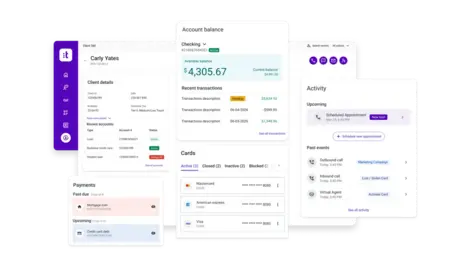
Banks could use the new tool to give branch staff a fuller customer history, reducing repeated questions and improving advice on complex issues.
Discreet packaging, clearer product information and easier repeat ordering are helping buyers of continence products avoid embarrassment and confusion.
Operators faced a 38% rise in suspicious withdrawals as World Cup fraud shifted from sign-ups to verified accounts, SEON said.
The tools have already started 150 loan applications and delivered a 17.7% conversion rate, giving the credit union new visibility into lending demand.
With hiring tight and costs rising, firms are outsourcing sales and customer retention to lift revenue without adding permanent headcount.
Retailers may lift sign-ups from existing traffic after beta tests showed a median 25% increase in email and SMS subscriptions.
Travellers are increasingly starting searches with AI, and travel sites that are hard for models to read may miss out on bookings.
Retailers could turn static poster sites into sellable ad space as Solum Oceania rolls out battery-powered Newton E-Paper displays.
Digital onboarding now takes six to seven minutes at Frost Bank, as manual reviews dropped and customer acquisition improved.
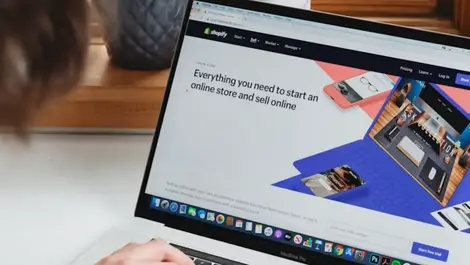
Conversion gains on Shopify usually come from mobile-friendly product pages, faster checkout and site speed, not cosmetic redesigns.
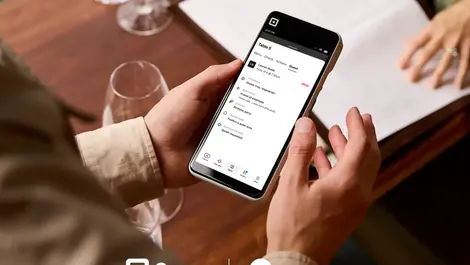
Restaurants can now tie bookings to spend and repeat visits as Square and OpenTable combine reservation, payment and guest data across six markets.
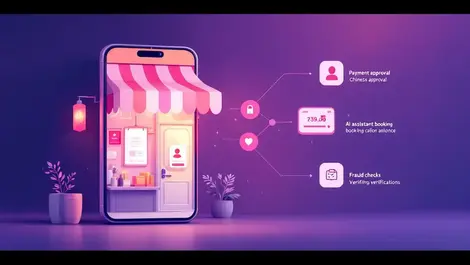
Alipay is betting that AI agents will soon direct shopping and bookings, tying its payment and verification tools to merchants across China.