

Siloton wins GBP £8.4 million Innovate UK contract
Thu, 22nd Oct 2026 (Today)
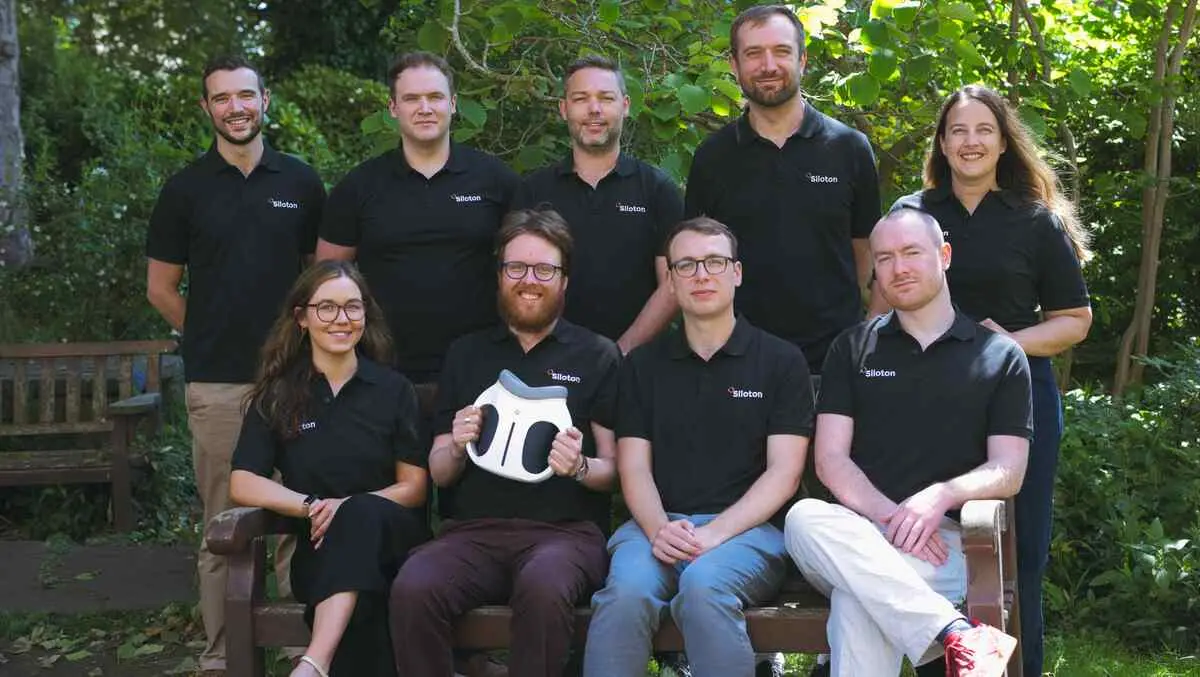
Siloton has secured an £8.4 million contract from Innovate UK to support development of the Bristol company's handheld eye imaging system.
The funding will be delivered over two years and is intended to speed up work on Siloton's GiraffeOCT device, including in-clinic and at-home versions, as well as clinical trials for both systems. Siloton said the contract could cut as much as two years from the development process.
The company is developing a handheld optical coherence tomography, or OCT, system designed to detect and monitor retinal disease outside traditional hospital settings. Existing OCT machines are widely used to create detailed images of the inside of the eye, but are generally large, costly and based in hospitals or optometry clinics.
Siloton said its binocular-style GiraffeOCT system is intended to make retinal imaging more accessible in community and home settings. It is also working on a second-generation device, CheetahOCT, designed to measure different layers of the retina and widen the range of conditions the technology can identify.
Clinical work
Under the contract, Siloton will work with Sunderland Specialist Eye Hospital on clinical trials for its in-clinic device. The arrangement will give patients in the North East and North Cumbria access to the technology while it is still in development.
York Health Economics Consortium will use data from the project to refine estimates of possible cost savings for the NHS. The work comes as eye care remains one of the health service's busiest outpatient areas, with around nine million attendances in England in 2023/24.
At the end of July 2026, nearly 623,000 people were on the waiting list for an ophthalmology appointment, accounting for 8.7% of all NHS waits. The Government has said it wants more care to move from hospitals into local communities, while also seeking wider use of quantum sensing-related technologies in the NHS by the end of the decade.
Siloton said the project would also create new jobs in Bristol. The company expects its team to grow to 16 by August 2028, with roles focused on miniaturising electronics, product development and manufacturing across photonics, electronics and software.
Funding impact
The contract was awarded through Innovate UK's Contracts for Innovation: Quantum Missions Primer initiative, which aims to help public sector bodies address operational challenges through competitive funding for new technology development.
Siloton said the award would also strengthen its financial position as it seeks further investment. It plans to use that backing to continue developing its wider product portfolio, including CheetahOCT and its BlueJay chip architecture.
Alasdair Price, Chief Executive Officer of Siloton, said: "Winning this Innovate UK contract allows us to accelerate the development of our systems, explore manufacturing and assembly in the UK, and help a groundbreaking new technology be adopted by the NHS more quickly. Many early-stage companies struggle to get beyond the well-known 'valley of death' in developing new products, particularly in healthcare, but this will support us through that crucial phase, bringing the Siloton system closer to being in patients' hands and building a technology that can be used worldwide."
OCT is used by clinicians to identify a range of eye conditions and monitor changes over time. Siloton's approach centres on reducing the size of conventional imaging hardware by placing the components on a chip smaller than a £1 coin.
The company also counts the European Space Agency among its customers, reflecting a parallel use case in monitoring eye problems experienced by astronauts. Siloton said the same underlying architecture is being used in its medical imaging work.
Price said the contract would support a broader expansion of the platform. "Developing the in-clinic and at-home versions of the system will help the Government meet its ambitions of moving care into the community and bringing quantum technologies into the NHS. The contract will also allow us to expand our technology to cover a wider range of diseases, integrate our second-generation BlueJay chip - the same architecture used in our system for astronauts - and build out the cloud platform that underpins the service. The NHS needs new technologies and new ways of working, and it needs them quickly. This contract is a first step towards streamlining the process and ensuring patients in the UK get access to the same innovations as other countries, as soon as they are deployed rather than years after approval."