Business Continuity stories
Many SMEs are missing reliefs and insurance structures that could cut corporation and income tax while protecting continuity and owners' families.
Many firms are finding that hybrid storage cuts risk and cost by keeping critical data local while using the cloud for backup and scale.
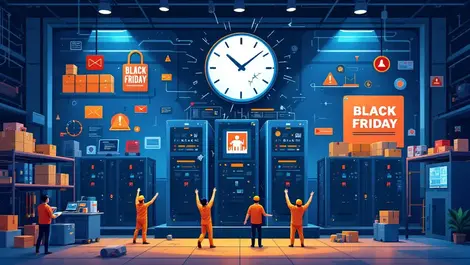
Attackers are now exploiting flaws nearly a day before retailers spot them, raising the odds of disruption during Black Friday trading.
Boards must ensure they can verify, replace and keep using outsourced AI systems as third-party providers now supply most key models.
Boards in Asia-Pacific faced ransomware in 64% of S-RM's 2025 incidents, underscoring the need for faster, pre-agreed crisis decisions.
Payments can still fail during outages if merchants cannot port stored credentials or replace expired certificates, exposing hidden dependency risks.
Outages and usage caps can now derail bids, client replies and approvals, making construction firms' AI dependence a risk to margins and schedules.
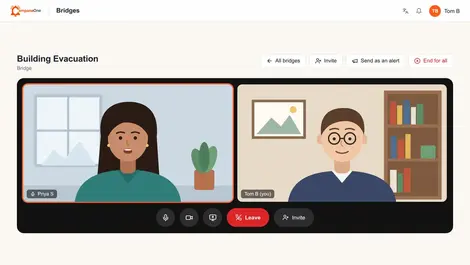
Organisations hit by outages or cyber attacks can now keep incident teams talking in a browser, even when Teams or Zoom are unavailable.
Weak identity controls are leaving banks, airlines and public networks exposed to far more damaging failures than last week's outages.
Enterprises will need to keep file data available across mixed systems and cloud services as AI workloads and always-on operations raise the stakes.
Lower claim counts may mask successful intervention, as cyber insurers increasingly stop incidents escalating before they become formal losses.
The deal gives UK and Irish resellers and managed service providers more support as they chase recurring revenue from security and IT services.
The real test of a ransomware attack is whether systems can be restored quickly enough to keep invoicing, orders and customers flowing.
Businesses should worry less about where data sits and more about which governments can switch off their AI suppliers, the author argues.
Businesses need backup plans beyond their own systems, after a Microsoft 365 outage halted work when customers and suppliers were also disrupted.
Small firms can be crippled by a stolen login or faulty update, so mapping who can access key systems is the first step to recovery.
Insurers are now demanding evidence of resilience, as US cyber losses near $21 billion and the average breach costs $10.22 million.
Organisations still lag behind as AI-driven scams and supply-chain attacks raise the stakes for boards, staff and critical services.
Despite a surge in AI-discovered flaws, the real test for organisations is whether overwhelmed security teams can patch and recover fast enough.
The cheapest quote may leave you carrying more of the risk, from security incidents to failed restores, unless you compare responsibilities closely.