Energy efficient stories
Firms are set to cut hours spent on repetitive checks as AI tools speed up building design, but engineers will still need to verify results.
AI is forcing firms to keep far more historical records and logs, while scarce high-capacity drives could soon constrain growth.
A neglected roof can raise cooling demand, drive up PUE and expose live server halls to costly water damage and downtime.
Rising AI demand is forcing operators to squeeze more useful computing from existing data centres before adding costly new capacity.
Boards are being warned that the real test of AI spending is correct, authorised work per dollar, not how many GPUs sit in a rack.
New analysis suggests households already seeking support face the sharpest pressure, with those in their 40s and 50s most likely to struggle with energy bills.
More than 300 business guests gathered at the Barbican as Planet Mark broadened its awards programme into a full-day forum on emissions cuts.
Operators facing power constraints could squeeze more AI output from existing GPUs, with tests showing up to 22% more correct work per GPU-hour.
Boards and regulators get a new yardstick for AI oversight, as VORTIQ-X says its scale shows how institutions can use intelligence without losing control.
The bigger gains in 2027 will come from linking screens, devices, buildings and AI to cut friction and improve daily operations.
Operators face a tougher test as AI-driven RAN tools spread, with conflicting automation goals now threatening network stability and efficiency.
Cooling choices for data centres now hinge on resilience, compliance and whole-life cost, not just refrigerant type.
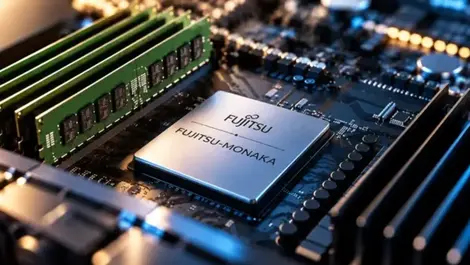
European data centres may get a lower-power AI option as the server is designed to run inference without GPUs and ease cooling pressures.
By 2027, developers will face AI-driven security tests at every stage, as cheap agents probe systems before attackers can exploit flaws.
Businesses must track, adapt and trim AI models in production if they are to keep costs down and avoid performance drift.
Heat reuse and carbon credit sales could make direct air capture an affordable add-on for Europe's new AI data centres.
What began as a remediation team is now a national practice, with Respond Architects broadening into residential, education and civic work.
Permit delays and regulatory pressure are mounting as hyperscalers struggle to meet water-positive pledges without sacrificing cooling performance.
Better cooling could cut AI data centre resource use while lifting sustained chip performance, as operators seek more useful work per watt.
Rising AI-driven power demand is prompting data centre operators to scrutinise efficiency claims after NETSCOUT said its platform cut energy use by 20%.