Energy efficient stories
New research reveals 67% of UK firms demand sustainability credentials from tech vendors, reflecting ESG's crucial role in business growth and strategy.
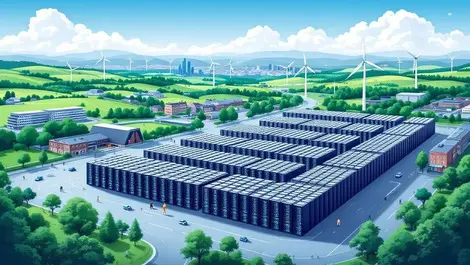
UK data centre spending is set to soar from GBP £1.75bn to over GBP £10bn annually by 2029, driven by AI demand and regional development shifts.
AI is transforming hospitality, with the market set to soar from USD $90 million to $8.12 billion by 2034, boosting efficiency and guest experiences worldwide.
Vertiv and PNY partner to supply power and cooling infrastructure for AI deployments, simplifying high-density system rollouts across EMEA.
Pure Storage and Cisco launch a unified FlashStack platform with NVIDIA support, enabling enterprises to deploy generative AI at scale efficiently by 2026 Q1.
TurinTech partners with Intel to bring offline AI code optimisation to Intel Core Ultra PCs, enhancing performance, security, and efficiency on-device.
The Asia-Pacific Data Centre Association urges governments to adopt policies balancing rapid digital growth with green energy targets across the region.
Rackspace Technology cut emissions by 10% in a year and aims for net-zero carbon by 2045, backed by Science Based Targets initiative validation.
Archer and Emergence Quantum have partnered to develop graphene-based quantum devices, aiming to commercialise innovations in quantum technology and advanced electronics.
OVHcloud launches AI-driven cooling technology in its datacentres, cutting water use by 30% and cooling energy consumption by 50%, boosting sustainability.
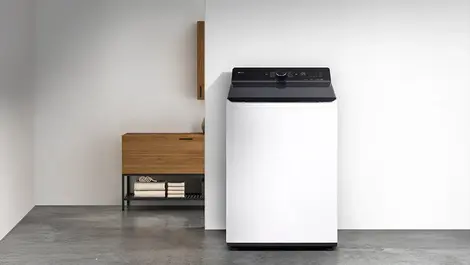
LG Electronics has been named CHOICE Best Brand in Australia for stick vacuums, dryers and top load washing machines from 2022 to 2025.
Hisense launches advanced smart home products in Australia, including a 116-inch RGB MiniLED TV, smart fridge, washer-dryer combo, and a Laser TV from AUD $2,499.
Nearly half of Australians limit air conditioning use amid rising energy costs, while AI tech offers up to 60% savings on household appliance energy consumption.
Companies are embedding sustainability into daily operations with AI tools, smart offsets and data-driven steps to cut carbon emissions faster.
INNIO secures largest-ever 2.3 GW order from VoltaGrid to power a major US AI data centre, promising USD $300 million fuel savings annually with efficient gas-fired units.
AI data centre cooling patent filings have surged over 50% since 2019, reflecting efforts to tackle the rising energy demands of AI technologies.
Optimaze has raised AUD $3 million to combat cloud waste, using AI to help Australian enterprises cut costs and energy use in cloud computing.
New Zealand stands poised to lead in sustainable data centres, harnessing 85% renewable energy to power AI growth worth NZD $3.4b annually by 2035.
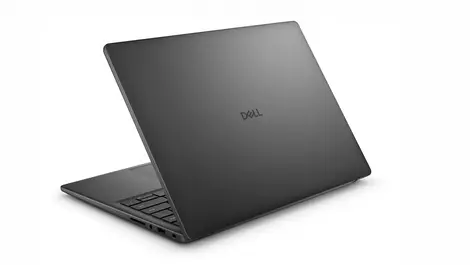
Dell launches affordable Pro Essential laptops and desktops in Australia, offering SMBs secure, durable PCs with cloud-based IT management and sustainability features.
A partnership with Arkema and BASF has lowered the embodied carbon of architectural powder coatings used on new buildings across their full lifecycle.