

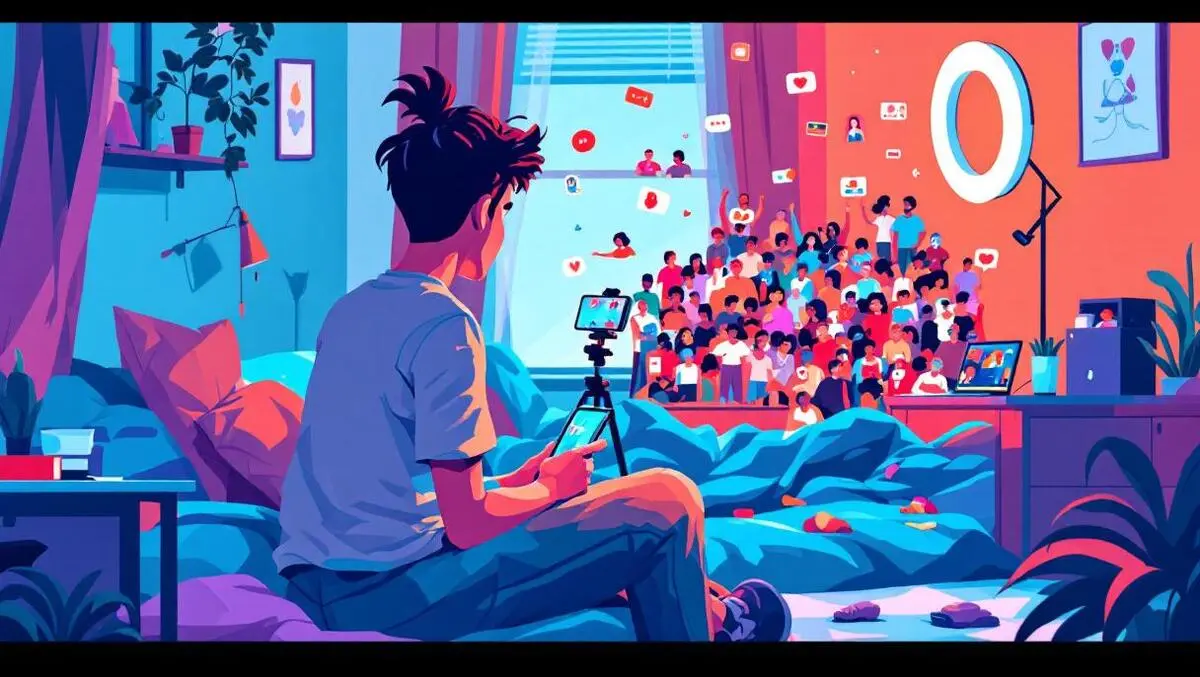
Gen Z drives shift from ads to creator-led influence
Tue, 9th Dec 2025
Gen Z consumers are turning away from traditional advertising and putting more trust in creators, according to new analysis from social media agency Pulse Advertising.
The shift is reshaping brand strategies and pushing retailers towards social commerce and creator-led marketing models.
Pulse Advertising said creator-led campaigns now outperform conventional advertising on engagement, conversion and cultural relevance. The agency works with brands including Apple, BlackRock and Nestlé.
Gen Z audiences are moving their conversations into private channels. Pulse said more than 80% of sharing now takes place in un-trackable environments such as group chats and direct messages.
The firm said audiences now respond more strongly to authentic, human-led communication than to institutional brand messaging or heritage-driven positioning. It said this trend is most visible among younger consumers.
Creator-founded brands such as Rare Beauty and Rhode are cited as examples of this shift. These brands are growing quickly and rely heavily on the public profiles of their founders.
Pulse said consumers increasingly connect with brands that are anchored in recognisable personalities. It said many users view creators as trusted community figures rather than as advertising channels.
The agency said audiences look to creators for context, interpretation and credibility around products and trends. This changes how influence works inside retail and consumer sectors.
“The balance of power has shifted from institutions to individuals. Audiences are no longer persuaded by brand announcements - they respond to human voices, lived experience and shared values. The brands that succeed in 2026 will be those that embrace real connection over messaging control,” said Lara Daniel, CEO and co-founder, Pulse Advertising.
Brands are now working more closely with creators who focus on education. Retailers use these creators to showcase products and demonstrate how they work.
These partnerships support social commerce strategies on platforms such as TikTok, Instagram and WhatsApp. Users can discover and buy products without leaving the app.
Pulse said creator-led activity is becoming central to growth plans for many retail brands. Creators also act as a feedback channel on cultural trends and consumer expectations.
Offline influencePulse expects influence to extend further offline over the next year. The agency said more creators are hosting live podcasts, pop-up activations and community events.
These activities move creator influence beyond the smartphone screen. They also give brands new formats for direct interaction with fans.
Pulse said this shift reflects a wider move towards community-led engagement. Followers are meeting creators in person and building local networks around shared interests.
Rise of 'edu-tainment'The agency identified a strong rise in “edu-tainment” content. This combines entertainment formats with learning or practical guidance.
Audiences are increasingly treating social platforms as spaces for education. They seek content that informs, teaches or enriches their daily lives.
Pulse said serialised formats are performing well in this environment. Recurring series and episodic storytelling keep users returning over longer periods.
This approach differs from one-off viral hits. It focuses on building stable relationships rather than short spikes in reach.
Values over visualsBrands that signal consistent values and social alignment are now outperforming those that focus on polished visuals, according to Pulse. This includes brands that avoid overly perfect or AI-generated imagery.
The agency said users scrutinise whether a brand's behaviour matches its stated purpose. Audiences look for long-term alignment on issues that matter to them.
Visual quality remains important on image-led platforms. Pulse said value-based messaging and credible voices now carry more weight in purchase decisions.
Dark social behaviourThe move into private channels is reshaping measurement and listening practices. Pulse said most conversation about brands now happens in group chats and direct messages that standard analytics tools cannot track.
This “dark social” behaviour limits the visibility of traditional metrics such as public shares and comments. It also makes it harder for brands to gauge sentiment in real time.
Pulse said brands are beginning to adjust by building smaller, niche communities. These micro communities form around specific interests or hashtags, such as #BookTok.
The agency said these clusters often outperform standard demographic targeting. They can deliver higher relevance and stronger engagement for specific topics.
Role of AIPulse sees a defined role for artificial intelligence in this landscape. The firm said AI works most effectively as an amplifier rather than as a primary author of content.
Brands are using AI for production tasks and localisation. Human insight still shapes trust, cultural nuance and creator relationships.
Pulse advises brands to move away from top-down broadcast models. It said growth now depends on participation in community-driven influence ecosystems where connection and cultural fit build trust.
“The brands that succeed in 2026 will be those that embrace real connection over messaging control,” said Daniel.