AI Data stories
The rebrand is aimed at winning more AI customers as data centre operators race to prove they can handle denser, power-hungry workloads.
The move comes as AI demand drives Britain's data centre operators to expand faster, secure more power and plan larger sites.
AI data centres are hitting copper limits, pushing Marvell and Nvidia towards optics as clusters grow larger and more distributed.
The data centre developer gains extra funding headroom as tightening power access makes new sites harder to secure across Europe and North America.
The move should help AMD keep pace in AI data centres, where faster, more power-efficient CPUs are in growing demand.
AI data centres will be able to cool denser racks with less maintenance, as Schneider Electric's new chillers are due to ship from June 2026.
Only 6% of security teams can see all AI deployments, leaving most organisations exposed as use of shadow tools surges.
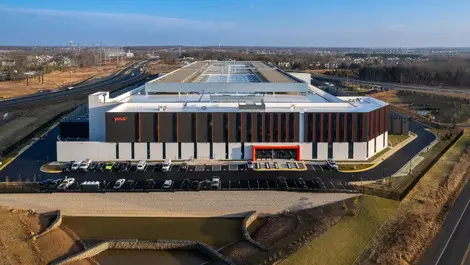
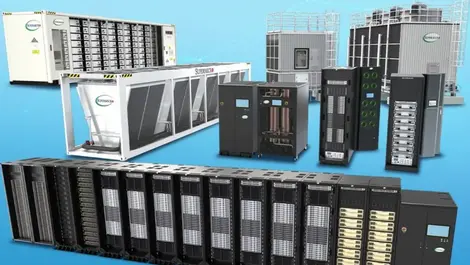
AI operators face a standardised route to megascale sites as Supermicro bundles cooling, power and networking for deployments from 5MW to 1GW.
Gartner warns most AI projects may fail as enterprises struggle to track sensitive data that new tools and agents can access.
The 136 MW design could help operators bring high-density AI sites online faster while easing grid strain and cooling bottlenecks.
The 750 MW campus will give AI tenants faster access to power and liquid cooling as US data centre expansion strains grids.
Growing AI data sets are putting storage economics under pressure, prompting WD to pitch harder drives and tiered platforms as part of the answer.
Households could face higher electricity bills as Louisiana plans a rush of data centre infrastructure, with costs spread to other customers.
Rising AI demand is pushing operators to redesign facilities around denser racks, heavier power loads and liquid cooling.
AI data centres in EMEA are getting a smaller-footprint cooling option as Vertiv rolls out kit designed to ease pressure on cramped facilities.
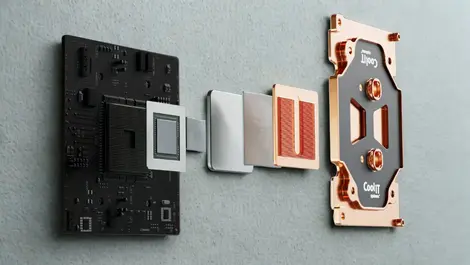
The design targets hotter GPUs and AI accelerators as data centres struggle to pack more processors into tighter server racks.
Enterprises can now cut AI inference spend as the new platform reuses model data, with USD $20 million in backing.
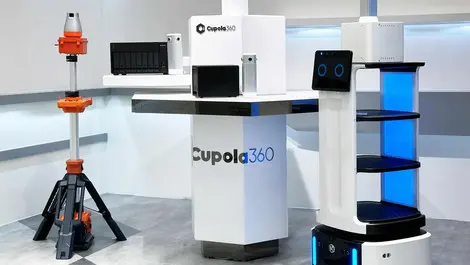
Industrial sites can now gain 360-degree monitoring without blind spots as Cupola360's new camera is built to integrate with existing systems.
The five-year contract should lift IREN's annualised revenue by about USD $1.94 billion once the Childress build-out is fully commissioned.
Australia's AI data-centre boom is forcing storage vendors to cut power use and costs, with WD betting on hard drives over flash.