Climate change stories
The funding will help Calterra track restored peatlands and woodlands for longer, cutting the cost of proving recovery to investors and land managers.
Builders face rising delays and overruns as wetter, stormier conditions threaten to disrupt UK data centre projects through 2027.
The deal could widen deployment of sustainability tools across Asia Pacific, while giving PepsiCo more commercially ready options from its startup pipeline.
Flooding and higher borrowing costs are sharpening scrutiny of how the IMF and World Bank will back vulnerable economies through debt and climate shocks.
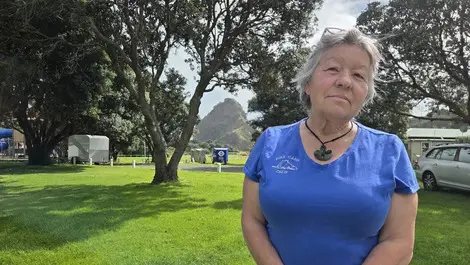
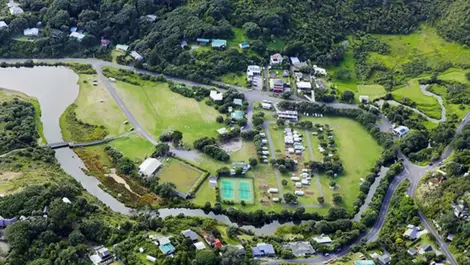
The move secures jobs and keeps a key Piha business open, even as council staff warn flooding could make the site unsafe in future.
Despite council warnings of a high flood hazard, Piha Campground has been cleared to stay open this summer after a unanimous local board vote.
Concerns over safety and secrecy are growing as officials move ahead with a preferred supplier for Taranaki's LNG import facility, without a contract yet signed.
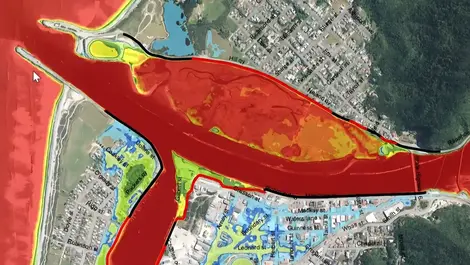
Vegetation clearance has started as Cobden's floodbank is raised to better protect homes from a one-in-150-year flood, at a cost of $410,000.
The council faces an $8m to $30m bill for urgent flood repairs, with a funding request still awaiting NZTA approval.
Business losses are mounting in Hawke's Bay as fears over water security drive firms to relocate, while dam backers seek government support.
More than half of Australian organisations still manage supply chain risk reactively, leaving them exposed to cyber incidents, BSI found.
The deals broaden Lodestone's business customer base as more New Zealand firms seek renewable power and firmer control over electricity bills.
Foreign river pollution could lift plastic washing up on Australian beaches from 440 tonnes in 2020 to about 850 tonnes a year by 2050.
Farmers are being urged to plan early as the predicted El Niño threatens drought, lower pasture growth and milk output across the Waikato.
Younger Australians face mounting pressure from housing, tax and climate costs as the Actuaries Institute urges ongoing policy reform.
The free site helped commuters check flooded routes during Bangkok's disaster zone conditions, logging more than 13,000 uses in its first day.
Many buyers are overlooking flood and other hazard risks, leaving some homeowners exposed to higher premiums or uninsurable properties.
Households could get cheaper, more flexible power deals as National proposes new rules to boost competition and rein in network charges.
The dry spell could hit farms, rivers and firefighting readiness across Hawke's Bay, with below-normal rain and warmer temperatures forecast.
The new tool aims to help Singapore firms pinpoint gaps in transformation as costs rise, emissions pressures mount and technology shifts accelerate.