Digital Literacy stories
Training systems are struggling to keep pace as AI changes day-to-day tasks in UK skilled trades and raises replacement demand, Pearson says.
Teachers' lack of AI confidence is fuelling a push for wider digital training, after Stephen Norbury won a national education award for whole-school use.
Millions of blocked phishing and scam attacks have been traced to residential proxy traffic, putting home internet users at risk without realising it.
With most firms using AI but few staff ready, the course targets non-developers handling sensitive data and automations at work.
Quick wins in report creation and automation are tempting, but Gartner says CFOs must weigh AI spend against longer-term gains and skills gaps.
Widespread use of chatbots and drafting tools may leave workers less able to verify outputs or think independently, Walsh said.
Billions already within coverage risk missing AI-era services as entry-level smartphones become less affordable in low-income markets.
More than half of consumers are vulnerable to some degree, raising fears that AI-led checkout could leave many unable to complete payments.
Households on underused NBN plans could save AUD $14.4 million a year after the telco shifted nearly 100,000 customers to cheaper tiers.
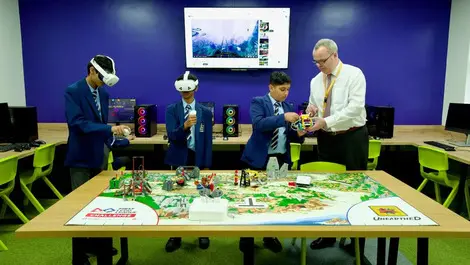
More than half of Australian schools plan to expand digital tools next year, as tailored AI gains favour for saving teachers time.
Many Kiwis are overconfident about spotting AI fakes, even as 40 percent admit sharing or considering sharing sensitive data with chatbots.
Younger parents are driving AI adoption at home, but many say privacy, safety and the risk of falling behind are fuelling anxiety.
Many New Zealanders are sharing sensitive data with chatbots despite fearing AI fakes, leaving them exposed to scams and data leaks.
Parents may get clearer progress reports under National's plan, but experts warn a blanket screen ban could curb useful classroom technology.
Students and staff will gain free access as the university pairs the rollout with AUD $1 million for research into AI's environmental impact.
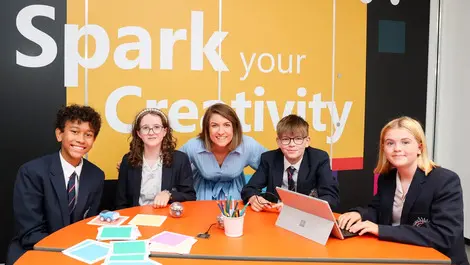
Free workshops and ambassador schemes are widening access to AI and STEM for schools, as Microsoft boosts its Belfast education hub.
Australian IT buyers are increasingly basing workplace tech choices on gaming-led expectations for speed, usability and reliability.
Public sector leaders face mounting pressure to modernise as AI, cyber risks and tighter budgets reshape government services.
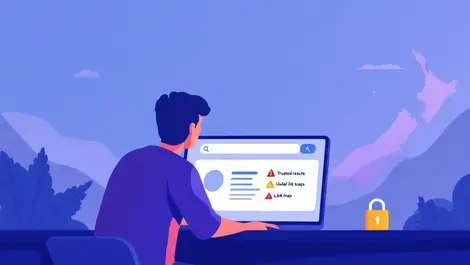
New Zealand users risk fake login pages and scam sites after ChatGPT search results were found pointing to unsafe links and downloads.
The deal will give more than 70,000 students and staff institution-backed AI access, alongside safeguards and AUD $1 million for sustainability research.