Fortune 500 stories
IT teams can now spot failing kit earlier, as Park Place's new AI platform scores servers, storage and network devices from 0 to 100.
Users could have prompts, files and API keys stolen as 167 lookalike domains linked to Jev were registered within 13 days of launch.
Gartner says Fortune 500 firms could run 150,000 AI agents by 2028, raising the risk of overprivileged machine identities.
The tie-up will let HR and finance staff move between both systems without resetting permissions, while automating tasks such as compensation reviews and book closes.
The security software company will use the money to expand sales and support as enterprises race to govern AI agents accessing sensitive systems.
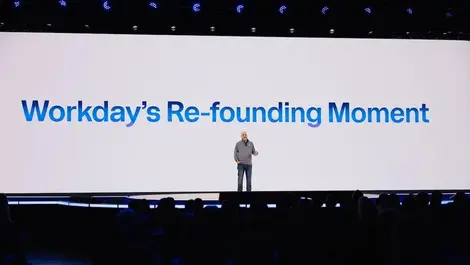
Its AI-first overhaul has cut layers, sped product cycles and left the company betting that startup-style speed can still serve Fortune 500 customers.
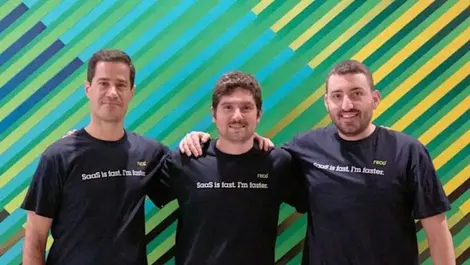
Backers are betting that enterprise AI oversight will need sharper tools, as the security software company brings total funding to USD $140 million.
The deal gives Workday a way to tie access controls to hiring and departures, reducing manual oversight as firms deploy AI agents.
The deal lifts Reco's total funding to USD $140 million as enterprises race to govern AI agents linked to sensitive systems and data.
The ranking bolsters Smartsheet's pitch to big companies as it adds governed AI tools that support more than 100 million requests a year.
The new desktop app lets legal and sales teams edit PDFs, redacting data and reordering pages before sending contracts for signature.
The expansion gives security teams clearer oversight of staff and autonomous agents as businesses rush to embed generative AI in daily work.
The ranking strengthens SentinelOne's case with enterprise buyers weighing automated response, compliance and deployment flexibility in endpoint security.
As firms brace for thousands of AI agents, the tool is meant to cut sprawl by letting teams build governed workflows without developers.
It aims to help firms cut admin and keep client work consistent as AI agents proliferate inside large organisations.
Governments and standards bodies are pushing firms to map cryptography now, as missing assets could leave them exposed to post-quantum risks.
Brands risk losing sales when AI shopping tools cite the wrong details, as the new tie-up flags errors and boosts review visibility.
The switch will affect about 6 million hosting customers as shorter SSL certificate lifespans force more automation across Newfold's services.
Fortune 500 firms could lose the only AI setup that keeps sensitive data in-house, as enterprise adoption of open-weight models surges.
The appointment adds AI and cloud expertise to Vertex's board as tax and compliance software vendors race to automate back-office work.