

Evolve Energy wins Stansted private wire supply deal
Thu, 25th Jun 2026.webp)
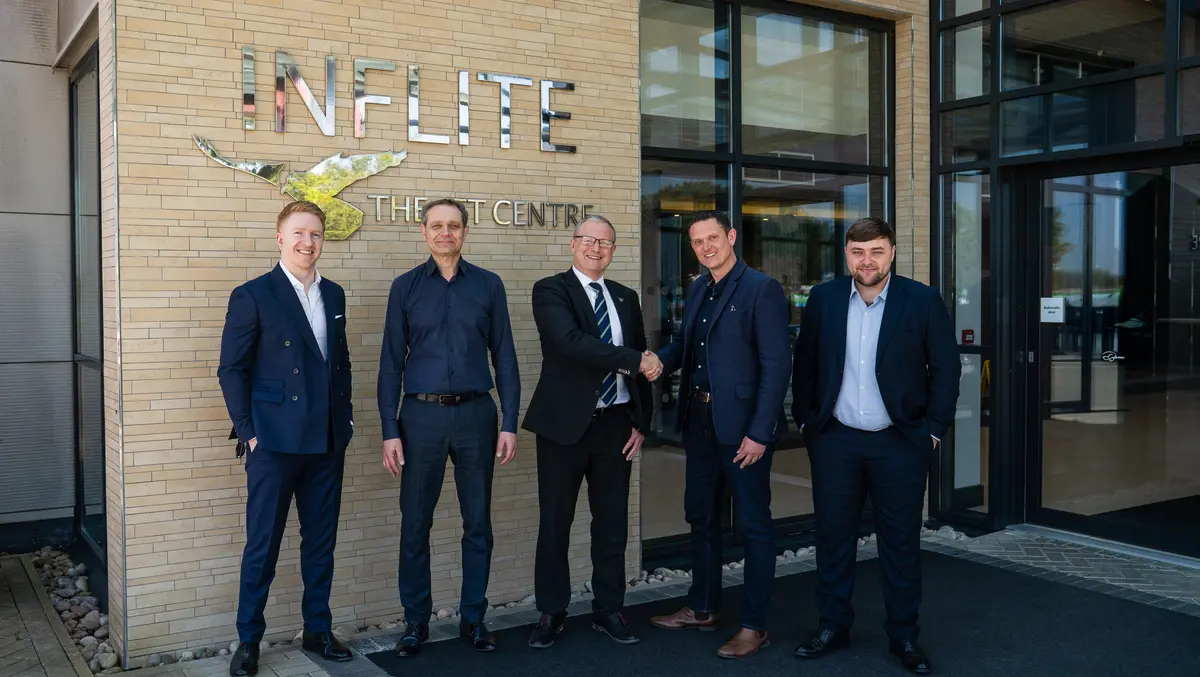
Evolve Energy has become the licensed electricity supplier for Inflite Engineering Services at London Stansted Airport, moving the company away from the airport's private wire network tariff.
The arrangement follows a 2.5-year effort to establish a direct supply route for a business operating on a private wire network, a setup that has historically limited supplier choice despite rules allowing third-party supply.
Inflite, an aviation services company based at the airport, will now manage its electricity purchasing more directly, giving it greater oversight of pricing and a clearer path for its longer-term decarbonisation plans.
Private wire networks are common at complex sites such as airports, industrial estates and other multi-occupancy locations, where electricity is distributed through infrastructure controlled by the site owner rather than through a conventional direct supply arrangement. Although UK regulations have allowed customers on such networks to buy electricity from third-party licensed suppliers since 2011, uptake has remained low.
One reason is the practical difficulty of changing supplier in tightly controlled environments. At airports, that can involve installing new fiscal meters, navigating access restrictions near operational areas, meeting detailed planning requirements and coordinating with multiple parties before any physical works can begin.
The Stansted project shows that businesses on private wire networks are not necessarily tied to an incumbent tariff structure. The case is unusual because few suppliers or customers have attempted the regulatory, technical and logistical work needed to create an alternative route.
Inflite worked on the project with Evolve and energy consultancy Sustainable Energy First. The outcome gives the company direct control over its electricity supply agreement rather than leaving it solely within the airport's network tariff arrangements.
Complex process
The process took more than two years from inception to completion. The companies involved said the barriers included not only the regulatory framework but also the differing interests of the parties needed to make the transition possible.
For airport-based businesses, the challenge is particularly acute because any infrastructure change can require strict safety procedures and site access approvals. Metering changes on private wire systems can also be costly, discouraging many firms from pursuing the option even where the rules allow it.
As a result, many medium-sized businesses have effectively accepted long-standing supply arrangements, even when they want more control over energy costs or the mix of electricity they buy. The Stansted case suggests some of those arrangements may be more open to change than many occupiers assume.
Martin Reynolds set out Inflite's view of the outcome.
"For many years, we have been exploring ways to take a more active role in managing our energy supply, and we're pleased to have now reached a solution that supports our long-term operational and sustainability goals. With the guidance of Sustainable Energy First and the commitment of Evolve Energy, we were able to navigate what is a highly technical and regulated process. Their expertise and persistence have been invaluable throughout each stage. This new arrangement gives us greater flexibility and transparency over our energy strategy, helping us plan more effectively for the future. We appreciate the collaboration from all parties involved in delivering this outcome," said Martin Reynolds, Group COO & CFO, Inflite Group of Companies.
Wider relevance
The transaction may attract attention from other occupiers on private wire networks that have sought alternatives to site-wide tariffs but concluded the process was too difficult. In sectors where energy is both a major cost and a material part of emissions planning, direct control over procurement can influence budgeting and investment decisions.
It also highlights a gap between regulatory intent and operational reality. While the rules have existed for years, practical implementation appears to have lagged, especially in places where site access, safety compliance and incumbent network arrangements make change difficult.
For suppliers, these projects can demand extended timeframes and specialist coordination before a commercial arrangement can begin. That has likely contributed to the low number of completed switches from private wire tariffs to direct third-party supply.
Evolve's involvement in the Inflite project points to a more hands-on role for smaller specialist suppliers in parts of the market that larger providers may have avoided because of the complexity. For customers, the question is whether the savings, flexibility or strategic value justify the time and effort needed to secure a new arrangement.
James Hall described the project as evidence that such transitions can be completed despite the obstacles.
"This has been a long road that has taken 2.5 years from inception to completion. Industry legislation is well-intended to improve access, but in this case didn't match practical reality, especially when parties have contrasting motivations. Creating a competitive supply option for sites located on private wire networks is possible, but rarely pursued and, for good reason, it's incredibly complex. But we want businesses to know it's not impossible if you have the right partner by your side. Every business should have the choice and control to secure an energy agreement that truly fits its needs and strategy, rather than being locked into a one-size-fits-all solution, and we're delighted to bring this outcome to Inflite," said James Hall.