Climate change stories
New sustainability regulations will create growth opportunities for the market which is projected to reach US$109.48 billion by 2026.
HPE, academia and industry have launched a data centre efficiency label to decarbonise data centres and significantly reduce their energy consumption.
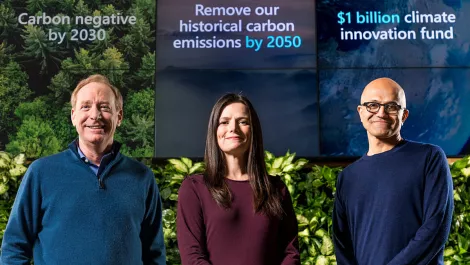
The company also aims to remove all carbon it has directly or indirectly emitted into the environment by 2050.
The material could cut construction emissions and reduce supply headaches by making blocks that heal themselves and use waste inputs.
New roads, rail, schools and hospitals should help address years of underinvestment, though critics question whether USD $12 billion is enough.
The book’s release comes as employers worldwide trial shorter weeks, chasing higher productivity and better staff wellbeing.
Investors may pour more money into low-carbon projects this year, but election outcomes and climate shocks could still slow decarbonisation.
Rising visitor numbers are putting New Zealand’s lakes, tracks and towns under strain, with a watchdog warning current policy will not curb damage.
Long-term upgrades to tracks, trains and ferries could finally be unlocked as the government shifts rail funding away from annual budget battles.
Fresh funding and planning reforms could speed up roads, water and housing delivery as New Zealand seeks to ease infrastructure bottlenecks.
Contractors still need project-by-project details, with major transport work due to wind down within 18 months and risking industry capacity gaps.
Marine ecosystems face mounting pressure as pollution, fishing and warming seas threaten species, habitats and coastal communities.
Grid operators face mounting strain as battery electric vehicle demand is forecast to lift installed base above 100 million by 2029.
Researchers say both plans favour congestion relief and global image over health equity, leaving outer suburbs short-changed.
With 2.5 billion more people heading for cities, planners are eyeing stacked mixed-use towers as a way to save space and build community.
Fire crews can now practise dangerous bushfire scenarios more safely and cheaply, without toxic foam or live flames, using virtual reality.
Without user charges, the new drinking water regulator could still leave New Zealand councils struggling to fund overdue upgrades and growth.
Australia faces a 1 percent of GDP infrastructure gap as rapid city growth, labour shortages and slower productivity strain new projects.
Urban developers face rising pressure to add renewable power, fibre and automation as tenants demand cheaper, smarter services.
Britain could cut aviation emissions and landfill use as a planned waste-to-fuels plant near Immingham seeks approval, creating 130 jobs.