Climate change stories
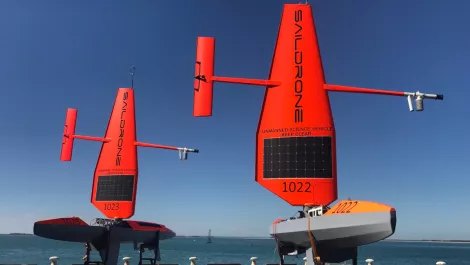
Saildrone's autonomous vehicle SD 20 has made history by completing the first unmanned circumnavigation of Antarctica, surviving 196 days of extreme conditions.
Christchurch inspired social entrepreneurs with the Social Enterprise Challenge and UCE Impact Summit, focusing on climate change and sustainability.
Questions over Auckland's airport rail spending have intensified as Aeromovel is pitched as a way to slash costs and delivery time dramatically.
Sensors, drones and automation are reshaping building upkeep, with smarter systems promising lower costs and better occupant comfort.
The cancelled Waitaha project exposes how uncertain consents can waste years and millions for regional developers and renewables alike.
Insect bioconversion could turn millions of tonnes of food waste into animal feed, biodiesel and packaging materials, while cutting emissions.
A new report says devolving housing and transport could improve delivery, while central government keeps most tax revenue and oversight.
New draft carbon standards and a new expo zone will give New Zealand building owners practical steps towards net zero by 2050.
Kiwi startup ZeroC is revolutionising electric transport with zero carbon services, already reducing 160 KG of CO2 and aiming for nationwide expansion.
Thousands of New Zealanders could be spared waterborne illness as a new regulator extends oversight to all suppliers and tighter standards.
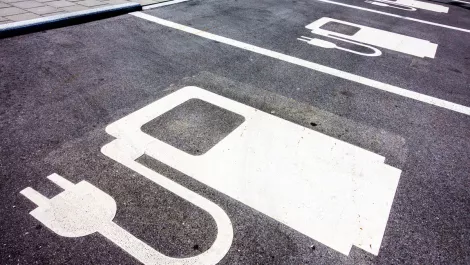
A Trade Me survey reveals 74% of Kiwis considering an EV for their next car, up from 50% last year, but high costs remain a major hurdle.
Businesses and environmental groups say the overhaul could finally fix a dated system unable to handle growth, housing pressure and climate risks.
Government procurement may soon favour firms able to prove their contribution to wellbeing, putting traditional industries under pressure to adapt.
Pragmatic solutions are needed to cut waste, trim compliance costs and keep safety goals intact as prescriptive rules prove too rigid.
Visitors could soon sleep under the reef, as Queensland backs a GBP £1 million pontoon project expected to draw 160,000 more tourists a year.
Poor planning is driving up housing costs and holding back productivity, according to Infrastructure New Zealand chief executive Stephen Selwood.
Redesigned equipment is back in the Pacific as the Ocean Cleanup makes a second bid to trap plastic in the Great Pacific Garbage Patch.
Families in Washington will soon have a third funeral option after state lawmakers approved transforming human remains into soil for gardens.
The hexagon-shaped platforms are designed to keep up to 10,000 people safe from floods, tsunamis and hurricanes as seas rise.
The Zero Carbon Challenge is a programme bringing together business, social enterprise, and local government to promote the low carbon economy.