Consumer rights stories
Victims are being left to fend for themselves as fraud becomes industrialised, with many still blaming themselves after scams.
Many UK small firms are exposed to copyright and confidentiality claims online, with fewer than two in five carrying insurance cover.
Britons are being hit by surprise costs on essentials and travel, with consumers saying opaque billing is eroding trust and budgets alike.
Shoppers could face clearer repayment terms and stricter affordability checks as UK oversight of buy now, pay later products tightens.
Many shoppers could soon face affordability checks at checkout as 59% of BNPL users say they have not heard of the new rules.
Awareness of new rules remains low even as PayPlan customers increasingly use buy now, pay later to cover everyday household costs.
More than 5 million Britons have been caught out by phones latching on to foreign signals at home, risking unexpected bills.
FCA findings show vulnerable customers are still missing out on basic bank accounts, prompting nine banks to tighten offer and application processes.
Travellers could recover up to EUR 600 for disrupted journeys as AirHelp embeds a compensation checker inside ChatGPT and Claude.
Holidaymakers could still face airport fees of up to GBP £75 if they assume the newly approved EU hand luggage rules already apply.
People under stress, not just older adults, are most likely to miss scam warnings, with tiredness and financial strain among the biggest risks.
NFT buyers say they were left without voting rights or team-sale proceeds after paying up to USD $25,000 each for BIG3 tokens.
The plan could speed testing for new financial products and shape rules on data sharing, payments and digital assets across the sector.
Holidaymakers could face extra costs on already paid-for Fiji trips unless a new tourism tax is grandfathered for existing bookings.
Gamers face higher prices and less secure ownership as Sony and Microsoft move towards digital-only releases by 2028.
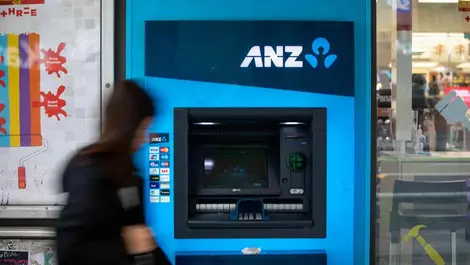
Fewer free cash points are leaving many New Zealanders facing fees, longer trips and concerns about access as ATMs disappear.
Human error exposed client email addresses to other recipients, prompting PGF Services to overhaul bulk email checks and staff training.
Privacy advocates say covert recording risks in changing rooms and beaches make the devices a public safety issue, not a novelty.
Drivers could gain stronger privacy rights as AEVA urges laws to keep connected car data onshore and off by default.
Gaps in access and affordability are leaving one in 10 New Zealand households offline, prompting calls for stronger public investment and resilience.