Skills shortage stories
A shortage of available talent is leaving 59% of technology hiring managers struggling to fill specialist roles, a Michael Page study found.
London's small firms are more likely to be adopting AI, with 41% already using it as faster-growing businesses embrace the technology.
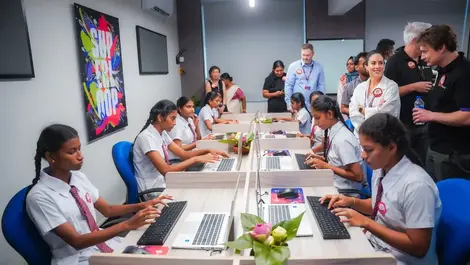
The new facility will give girls at a Colombo school better access to laptops, STEM lessons and hands-on digital learning.
More than 400 students will gain hands-on exposure to AI tools and live business data as marketing training shifts towards commercial skills.
Public backing has handed Eventus Security another boost as it competes in a crowded managed security market facing rising cyber threats.
The expansion could bolster Donegal's labour market as demand for AI and data centre infrastructure drives up global manufacturing needs.
Channel partners risk losing customers if they cannot turn acronyms like UCaaS and SASE into clear business outcomes.
The hiring push will deepen Singapore's semiconductor skills base as demand for AI-related chipmaking and advanced packaging accelerates.
Economic uncertainty and labour shortages are tempering optimism, even as 73% of construction leaders say Australia's sector has been stable over the past year.
More than 300 candidates vied for sales roles as employers sought proof of practical skills over CVs at a New Delhi hiring drive.
Australian workers with digital skills can command pay rises of up to 26% as employers demand them in nearly nine in 10 job ads.
Indonesia's digital skills gap is fuelling demand for practical cyber and AI training, as firms struggle to hire workers.
Australian firms can now shift data-heavy workloads onshore as Equinix's new service promises faster deployment and tighter control over sensitive systems.
The appointment strengthens Microsoft's push in New Zealand as businesses weigh AI adoption, cloud investment and data-residency demands.
Students in Years 12 and 13 will gain school qualifications tied to jobs and training as the government seeks to ease skills shortages.
More than two in five Irish professionals now fear AI could affect their jobs, even as most remain confident their skills will still count in three years.
AI worries are prompting more Irish workers to upskill as 41% fear their roles could be affected, a survey found.
Failed system upgrades could disrupt production, safety and payroll in Australian mines more than cyberattacks, as AI and ERP change accelerates.
The sector's 10,000-worker shortfall could widen unless more students see water jobs beyond engineering, Water New Zealand says.
New Zealand's tech growth is being constrained by a deepening talent shortage, with firms struggling to fill AI, cyber and cloud roles.