

.webp)
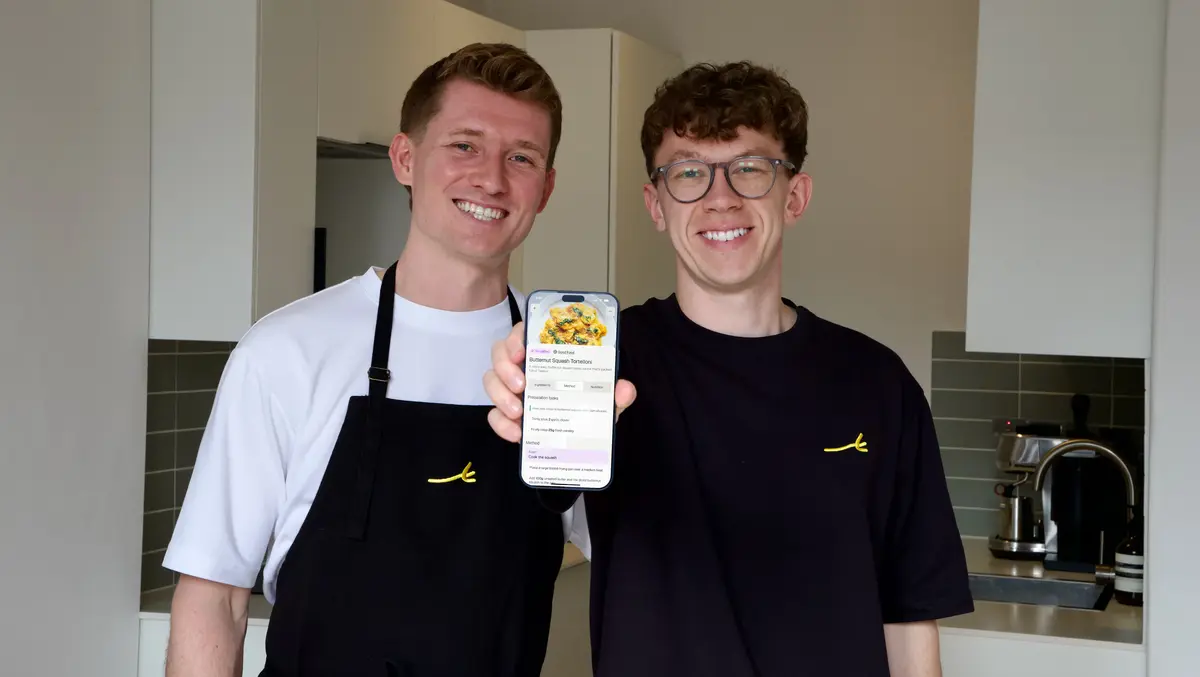
Scran has launched an iOS and Android cooking app for neurodivergent users. Developed in Edinburgh by founders with backgrounds in technology and accessibility, it aims to change how recipes are presented to reduce the mental effort involved in cooking.
Users can import recipes from websites, social media, photos and cookbooks. The app then restructures them into shorter, more explicit steps.
Its launch comes amid growing attention on digital products designed around accessibility needs rather than adapted later. The founders said common recipe formats can be hard to follow because preparation is often buried in later instructions, ingredient quantities are separated from method steps, and longer directions require repeated rereading.
Scran moves preparation tasks to the start of a recipe, places ingredient amounts within each step and breaks longer directions into smaller actions that users can tick off as they cook. It also includes serving-size adjustments, aisle-sorted shopping lists, measurement conversion, larger text, dark mode and dyslexia-friendly fonts.
Scran was created by Grant Macgregor and Jonny Kirkaldy, an Edinburgh-based couple who said they have spent 15 years designing digital products, including accessibility work for neurodivergent users. The app was built with input from home cooks, including people with ADHD, dyslexia and autism.
During a four-month pilot, 200 people tested the product and their feedback shaped how recipes are imported, simplified and followed. Scran said the app recorded a 30% week-four retention rate during the trial, while a voluntary follow-up survey found that 32 of 36 respondents said it made cooking from recipes easier. Of those, 19 said it was much easier and 13 said it was somewhat easier.
Inclusive Design
The founders say the central issue is cognitive load. Rather than offering a standard recipe database, the app focuses on changing the structure of recipe instructions so each task is clearer and easier to complete in sequence.
"Standard recipe formats assume everyone processes information the same way. We've heard from so many people who blame themselves when a recipe trips them up, when really it's the recipe that's failing them. We want to give people the confidence to cook whatever they want to," said Jonny Kirkaldy, co-founder of Scran.
Scran uses artificial intelligence to import and simplify recipes, but the wider proposition rests on design rules created through research with neurodivergent cooks. The founders said the system is intended to create more consistent step-by-step instructions across different recipe sources.
The app enters a crowded market for meal planning and recipe tools, but it targets a narrower user group with a specific accessibility problem. That may help explain the pilot's retention figures, which Scran cites as evidence of demand for a simpler way to follow recipes.
Consumer apps aimed at accessibility needs have often focused on reading, communication or mobility. Cooking has received less attention, even though recipe formats combine several common pain points at once, including dense text, task switching, sequencing and working memory demands.
One tester described the effect of restructuring steps into single actions.
"This app is life-changing. Having the steps broken down into single actions makes my life so much easier and less overwhelming. I want to enjoy cooking and the app does the hard bit for me!" said Sofia.
Commercial Model
Scran is self-funded and is launching with a subscription model after a free trial period. The service is priced at £29.99 a year or £4.99 a month, putting it in line with many paid productivity and lifestyle apps rather than free recipe platforms supported by advertising.
That pricing suggests the founders are betting users will pay for a tool that solves a practical problem rather than for access to recipes alone. The pilot's retention and survey data will be watched as an early indicator of whether accessibility-led consumer software can sustain paid subscriptions in a competitive app market.
Macgregor said the project was built around a specific use case rather than broad claims about technology.
"For us, technology is at its best when it solves a specific, real-world accessibility issue. By combining inclusive design, a supportive app experience and ongoing community feedback, we've built something that can help more people stay on track, feel confident and enjoy cooking more," said Grant Macgregor.